

Have you ever wondered why the .38 Special was called the .38 Special? Not the Special part, but the .38 part. It’s not a .38 caliber projectile, and .357 Magnum isn’t called .38 Magnum. They use the same projectiles, but why is one cartridge granted this .23 increase in bullet size? The real answer is fairly simple, but it seems a little silly these days.
The .38 is .38 Special is a historical holdover from an era of 19th-century cartridge conversions. The .38 Special isn’t the only round affected by this naming convention. Some of its predecessors, like .38 S&W, didn’t use a .38 caliber bullet either. Neither did the .38 Long Colt.
However, when we go far enough back, we reach a round called the .38 Colt or .38 Short Colt. Technically, it’s a .375 caliber projectile, but I think it’s safe to round up a .005 difference. Colt designed the round for metallic cartridge conversions of cap-and-ball Colt Navy Revolvers.
Advertisement — Continue Reading Below
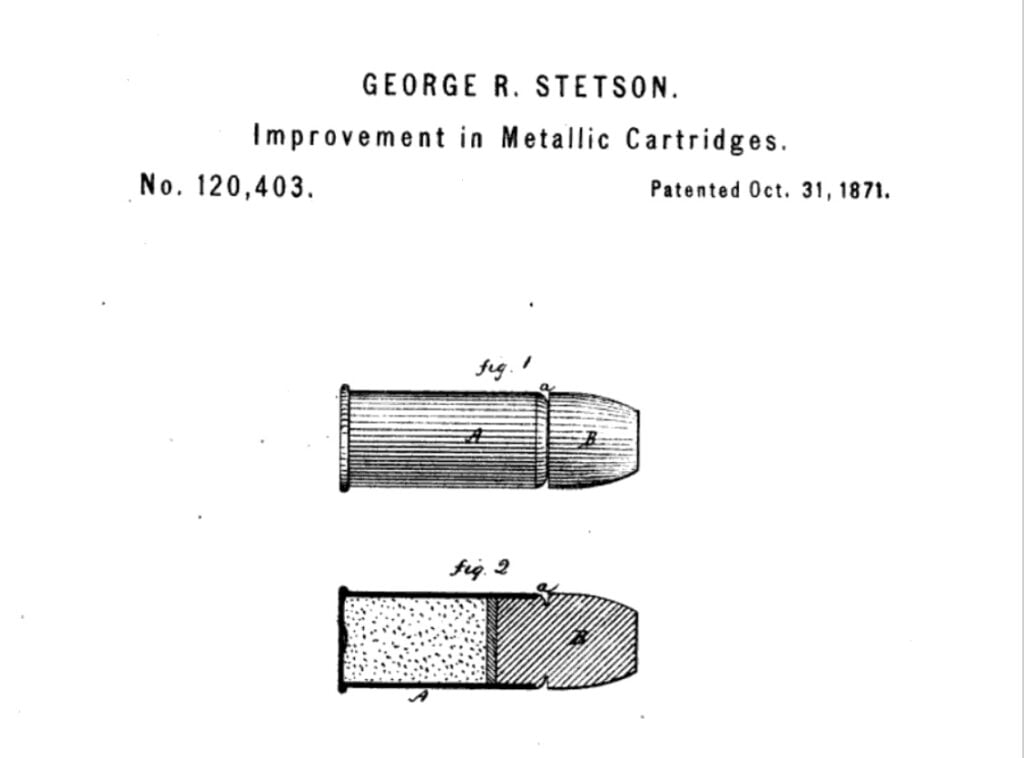
These old rounds used a .375 projectile, but were heeled bullets. We don’t see many heeled bullets these days; it’s pretty much just the .22LR in the modern era. With a heeled bullet, the case mouth is the same diameter as the projectile.
The projectile has a heel, which is the portion that extends below the projectile and into the case. The design requires it to be stepped down to fit inside the case.
Advertisement — Continue Reading Below
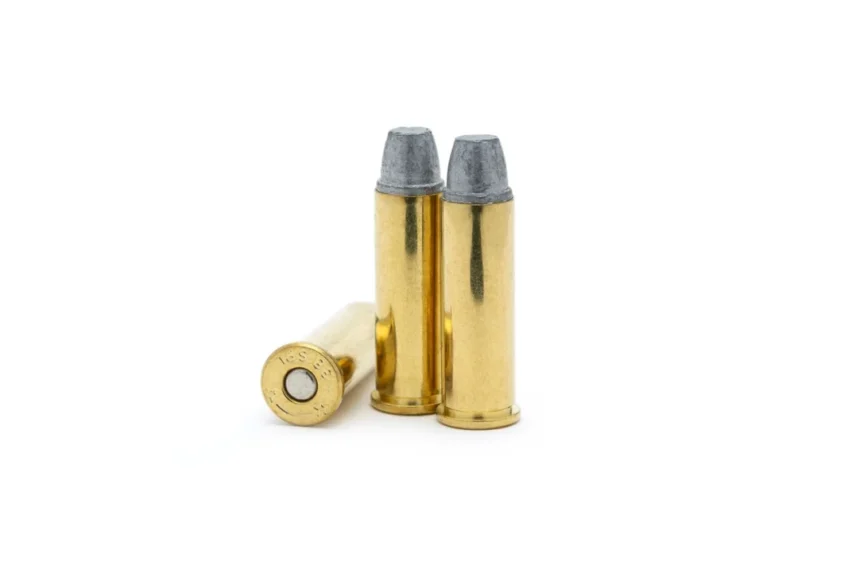
Rounds like the .38 Special are not heeled. The diameter of the case exceeds the diameter of the projectile ever so slightly.
Why Heeled Rounds Disappeared
Heeled rounds relied on external grease grooves to carry wax- or tallow-based lubricant. This lubricant sat on the round’s bearing surfaces to prevent lead fouling in the bore and to manage black powder fouling. Remember, back in the good ole days, the bullets weren’t jacketed; they were just lead.
When you throw bare lead bullets down a rifled steel barrel at a high velocity, you start losing lead. Heat and friction cause the lead to rub off the projectile and find a home in the rifling. When lead fills the rifling, we start to see accuracy degradation as it slowly becomes an improvised smooth bore.
Advertisement — Continue Reading Below
Black powder wasn’t quite clean either. It created a mess, and without lubricant, the black powder residue turned into a hardened layer that could foul the bore and even cause the revolver to seize. Add a little grease, and it stays soft and is easier to clean out of the bore.
These heeled rounds had the grease, and it worked. Mostly worked. When shooting, it certainly helped, but the external grease grooves had this bad habit of picking up dirt and debris. As we know, dirt and debris cause all sorts of chaos.
Advertisement — Continue Reading Below
They could place the grease inside the projectile because the heel wasn’t the same diameter as the bore and wouldn’t do much. This led to unheeled bullets. With these rounds, the lubricant could be sealed inside the case because the widest portion of the projectile sat inside the case and engaged with the rifling of the gun.
Why The Names Were Never Changed
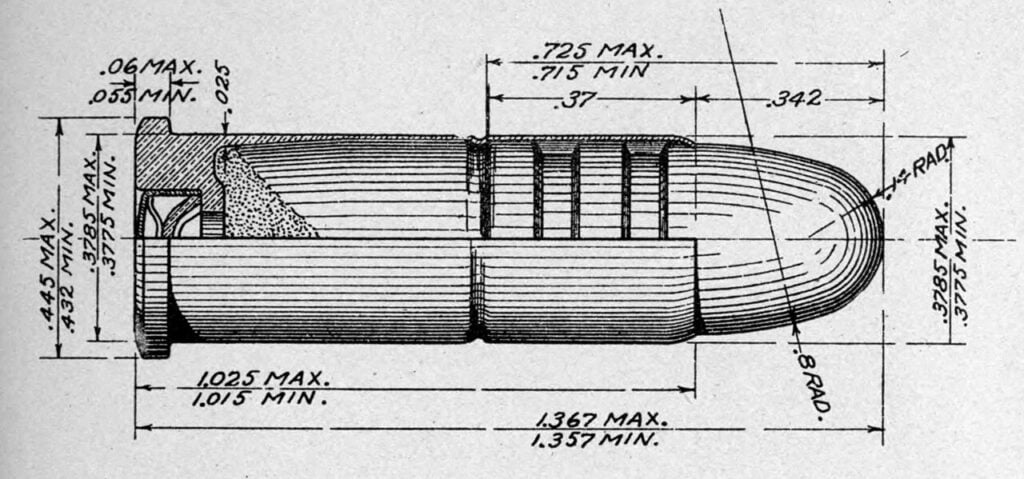
When Colt moved from the fairly anemic .38 Short Colt to the anemic .38 Long Colt, they went with the superior unheeled design. They kept the name because the .38 Long Colt could be fired in the older black powder guns that were converted to metallic cartridges.
Colt wanted folks to know this round would still work with the cartridge conversions. The projectile was smaller now at .357, so in theory it wouldn’t be accurate through the .375 bores. Colt thought of that and designed rounds with a hollow base. The base would expand under pressure and engage the rifling.
Advertisement — Continue Reading Below
Colt had a reason, but did S&W?
In 1898-99 S&W lengthened the .38 Long Colt case to create the .38 Special. The .38 S&W and .38 Long Colt were already using .357 caliber projectiles, but reinforced that .38 namesake. The .38 round was a known quantity in the world of revolvers.
Advertisement — Continue Reading Below
Smith and Wesson’s goal was to make a better .38 Long Colt, and they wanted to capitalize on that known namesake. They simply kept the .38 moniker when they created their new round. It clearly wasn’t new behavior since two other popular cartridges had already essentially done the same thing. The aforementioned .38 Long Colt with its.357 bullet and the .38 S&W with its .361 bullet.
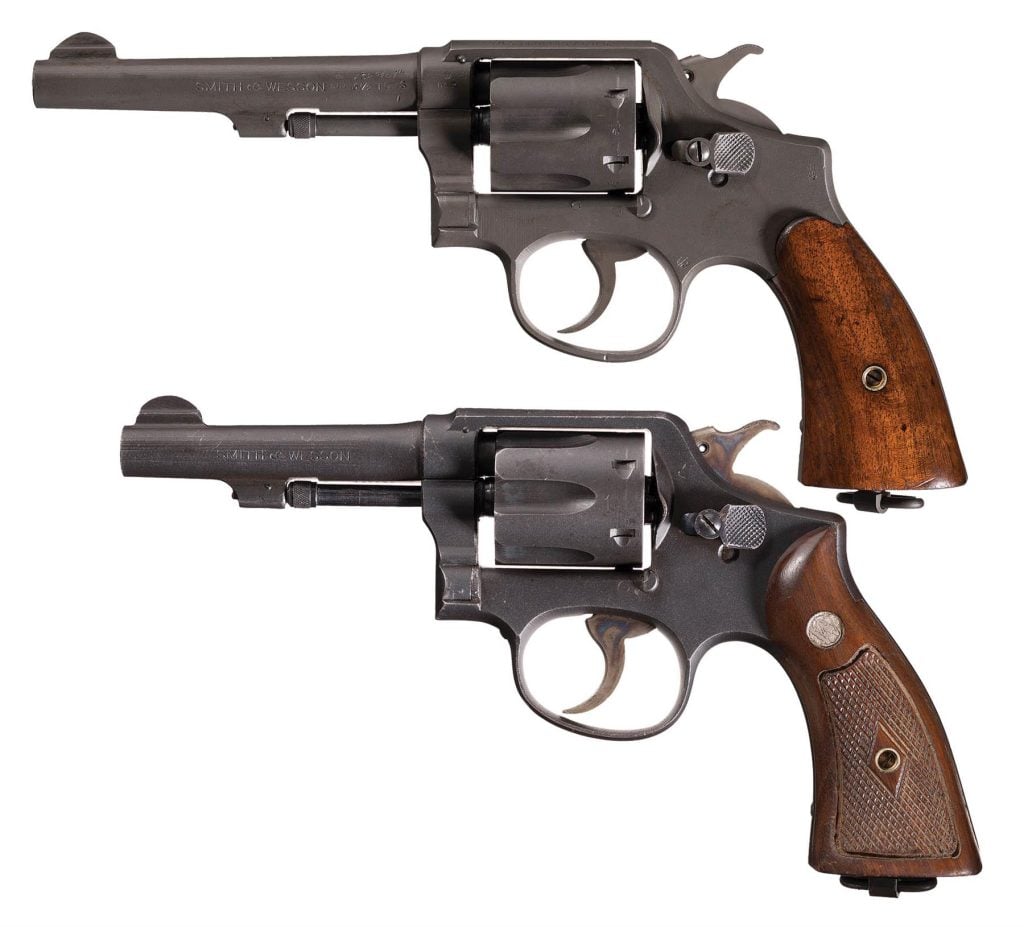
Eventually, this led to another improvement on .38, which became the .357 Magnum. A round that didn’t need the .38 namesake because it was trying to be different than the .38 and offer something substantially more powerful.
The .38 Special
As you can see, it’s not a short answer. But the .38 Special is called .38 Special essentially for marketing and brand recognition. It wasn’t to fool people, but more or less the standard of the era. When that standard wasn’t doing what people needed, they drifted away from it with the .357 Magnum.
Read the full article here