

In the news recently, there have been several stories about alleged cyberattacks against municipal water systems. Here’s just one account from Time Magazine. As I write this, the media is saying at least eight U.S. states have either been attacked in some way, though they’ve only identified Minnesota, Michigan, and Wisconsin thus far.
In surfing through social media today, I’ve seen no fewer than six different theories as to what is behind the news stories. These include everything from terrorism to false flag attacks to being entirely made up for one purpose or another.
Advertisement — Continue Reading Below
Here’s the thing, though. Whether you believe the entire thing is fictional or not, the situation can still serve as a great reminder about the importance of prepping for water needs in a crisis. Even if it’s much ado about nothing, it’s an excuse to revisit your plans and inventory your supply.
Water Storage
Experts suggest you keep enough H2O on hand to meet your family’s basic needs for at least a few days. They recommend a minimum of one gallon of water per person per day. It’s important to understand that this water is primarily for consumption and food prep. There might be a small amount available for very basic hygiene, such as brushing teeth and washing up critical areas of the body.
Advertisement — Continue Reading Below
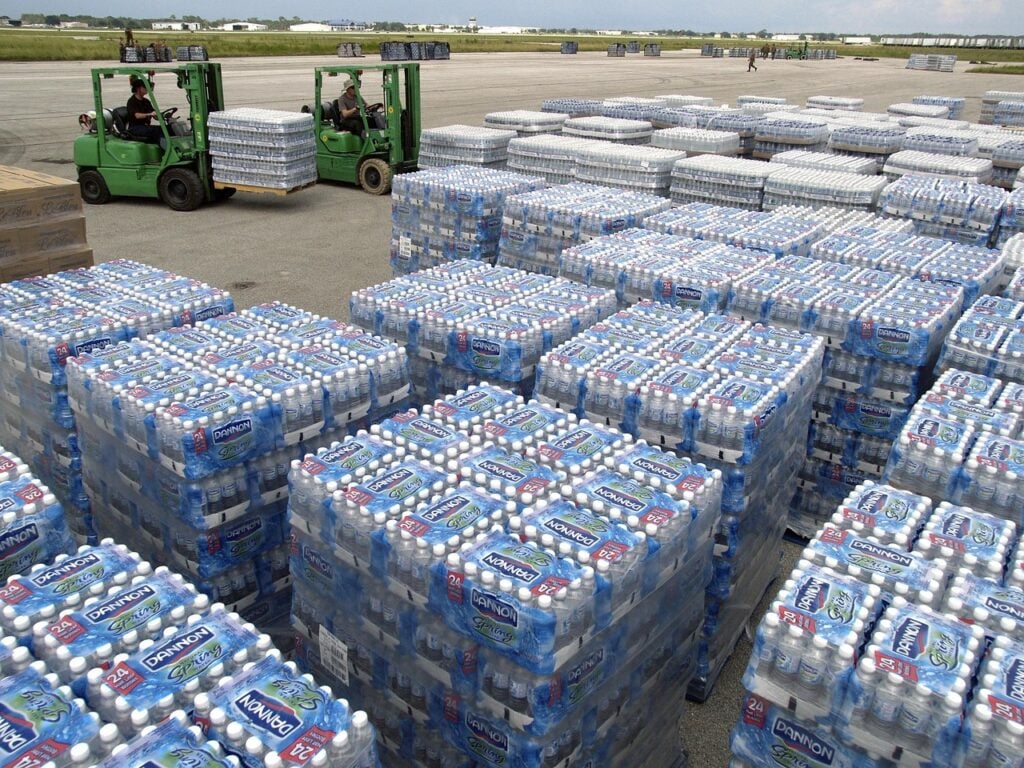
For many households, cases of bottled water will probably be the easiest solution. One case of 24 half-liter bottles comes to a little more than three gallons. Figure one case per day for two people and you’ll build in a tiny buffer.
I like to chuck a few bottles into the freezer to take up any empty space. Doing this helps the freezer work more efficiently. The frozen bottles will keep the food cold longer during a power outage. Plus, it’s an easy way to store a little extra drinking water without taking up any real estate elsewhere in the home.
If your family regularly drinks soda or juice, you can wash out those bottles and reuse them.
Advertisement — Continue Reading Below
Keep the bottles in a cool, dry location away from sunlight. While water itself doesn’t go bad, it can become contaminated if the container begins to deteriorate. With that in mind, rotate your supply on a regular basis.
Water Treatment
In addition to what you’ve stored for later use, you should have the means to collect and treat water you source from outside the home. These sources might include rain barrels, ponds, rivers, and lakes.
Options for treatment include, but aren’t limited to, filtration equipment, chemical additives, and boiling. In some cases, a combination of methods might be best. For example, run the water through your filter, then boil it, just to be safe. Water safety is one area where going overboard isn’t a bad idea.
Advertisement — Continue Reading Below
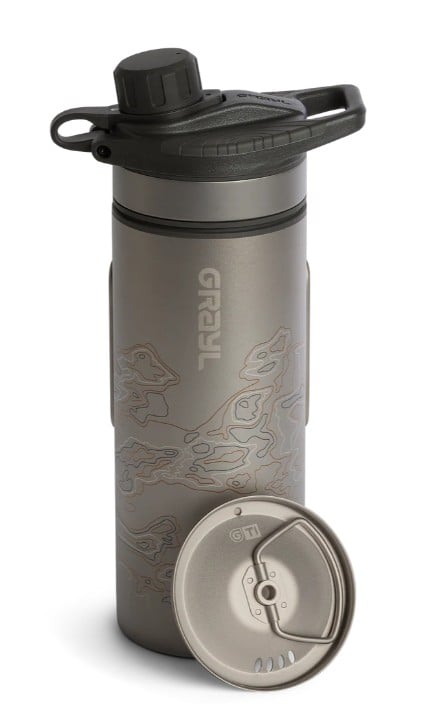
Be sure to read all of the instructions for any water treatment products you purchase. It’s important to fully understand what the given method will and won’t do. For example, chemical additives like water purification tablets aren’t going to be much help against heavy metals and similar pollutants.
Advertisement — Continue Reading Below
Don’t forget that water is heavy. It weighs 8.34 pounds per gallon. If you’ll be collecting water from an outside source like a creek, be sure you’ll be able to actually carry the containers you plan on using. One five-gallon bucket, even if it isn’t filled all the way to the top, will weigh nearly 40 pounds.
Read the full article here