

NEWYou can now listen to Fox News articles!
A species of puffer fish with toxic flesh and bone-crushing jaws is expanding its range throughout the Mediterranean, causing local authorities to issue warnings to tourists about the risk of bites.
Some places are even taking precautions to protect swimmers and bathers from the invasive silver-cheeked toadfish, also called harefish.
The fish reportedly entered the Mediterranean through the Suez Canal and has spread as sea temperatures have warmed. It carries tetrodotoxin, a deadly neurotoxin found primarily in its flesh and internal organs, and its powerful beak-like jaws can shred fishing gear and bite through bone.
CLICK HERE FOR MORE LIFESTYLE NEWS
Experts note, however, that the fish does not routinely attack people. Bites tend to occur when people try to catch, handle or otherwise interact with them.
A 2024 study published in the peer-reviewed journal Toxics documented 198 human-health incidents involving invasive puffer fish across the eastern Mediterranean between 2004 and 2023.
There were 28 records of physical attacks, at least 144 non-lethal poisoning episodes and 27 human fatalities resulting from consumption of the fish, the study found.
“The number of recorded incidents greatly increased after 2019, especially with regard to poisonings, yet whether this is related to greater media attention, or to increased fish abundance is unclear,” the researchers wrote in their study.
TEST YOURSELF WITH OUR LATEST LIFESTYLE QUIZ
The Hellenic Red Cross, Greece’s national Red Cross society, issued a public advisory in June cautioning that the fish’s flesh “contains a potent neurotoxin (tetrodotoxin), which makes it extremely dangerous to eat,” The Times, a U.K.-based newspaper, reported.
“Because the distribution of the toxin varies, no part of the fish is considered safe to eat,” the Red Cross warned. “Although the harefish’s bite is not venomous, its extremely powerful, beak-like jaws can cause serious injuries and heavy bleeding.”
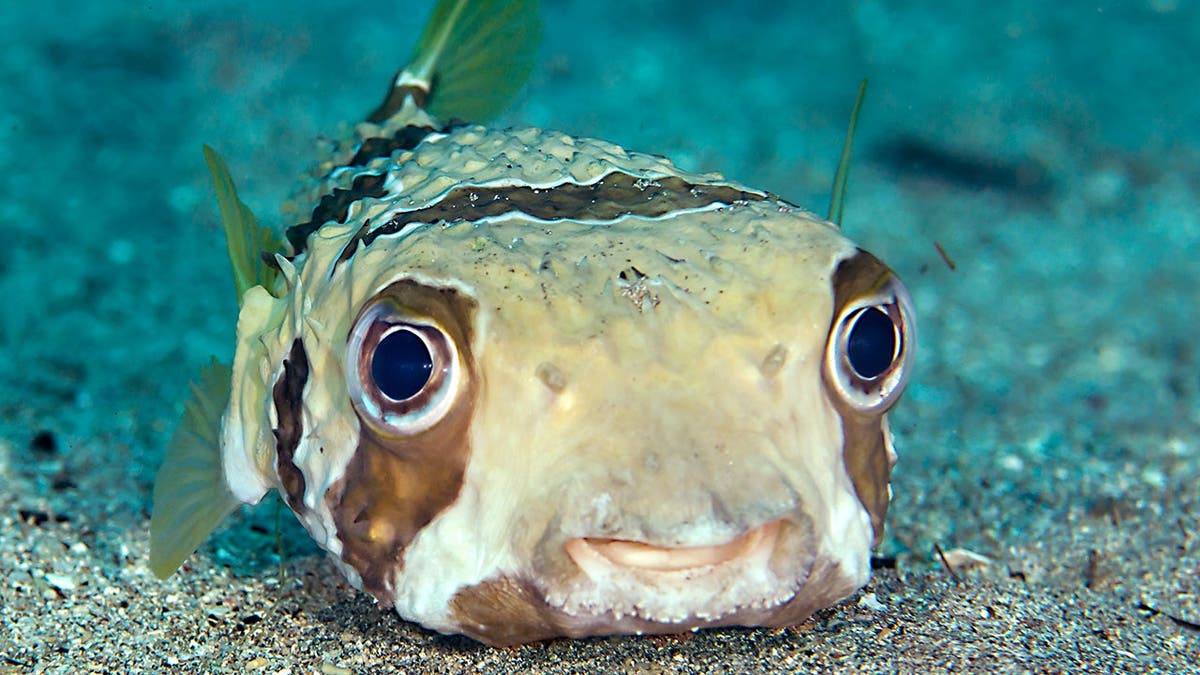
According to The Associated Press, the fish has “prominent, humanlike teeth,” and “its skin and organs contain a powerful neurotoxin that can cause heart failure in humans if consumed.”
Tetrodotoxin causes paralysis and respiratory failure. Cardiac effects can occur in the event of severe poisoning.
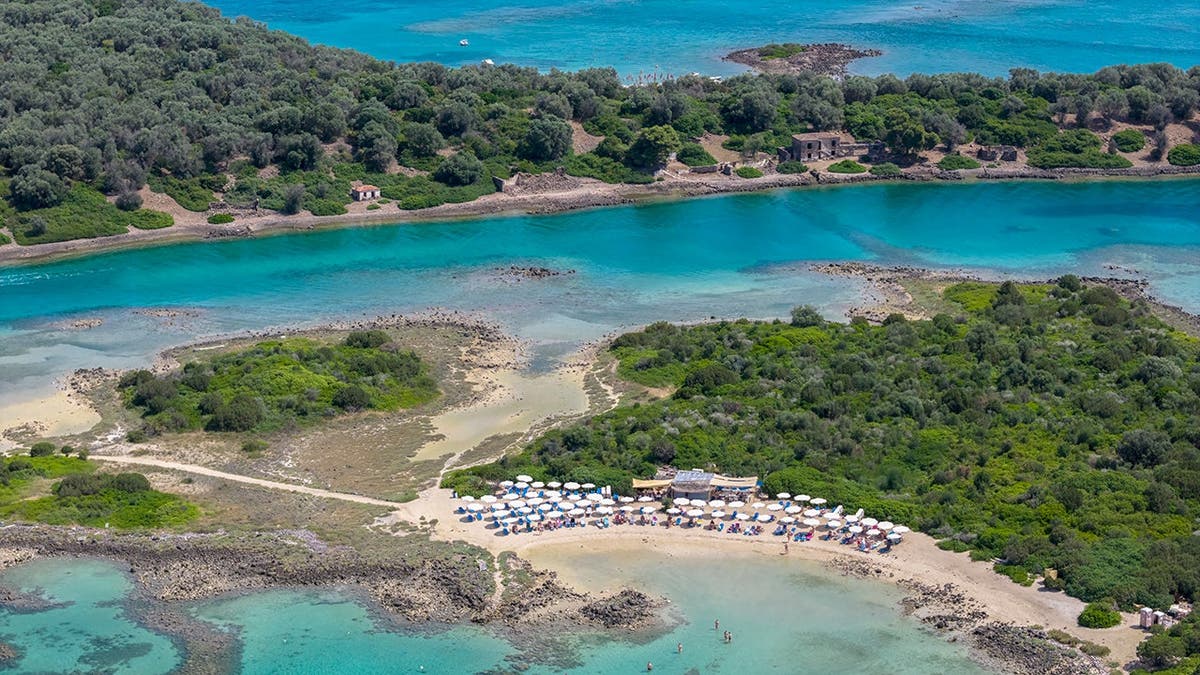
Greek authorities established floating barriers beneath the Gulf of Euboea between the Greek mainland and the island of Evia to safeguard people in the water, the Guardian reported.
“Our duty and primary concern has to be the safety of our citizens,” Antonis Spanos, the vice-mayor of Evia’s capital, Chalkida, told the publication. “It’s better to be safe than sorry.
“Two and a half kilometers of this net will be set up in bays around the gulf to allow for a carefree summer,” he added. “Last year it was bad with the jellyfish, but, as you say in English, we’ve killed two birds with one stone. Now if there are puffers, we’ll be ready for them too.”
Other municipalities along the Gulf of Euboea are also installing or planning to install floating barriers and protective nets to help keep swimmers safe, according to reports.
“Authorities say the fish have not been sighted in bathing areas at Greek island resorts,” reported the AP. “But in recent weeks, the fish have wreaked havoc for fishermen off the coast of Crete and several other Greek islands, chomping through nets.”
The silver-cheeked toadfish has few natural predators in the Mediterranean, so its population to grow rapidly. The Greek government announced it would pay fishermen 5.33 euros per kilogram, equivalent to about $2.75 per pound, to catch the nuisance fish.
CLICK HERE TO DOWNLOAD THE FOX NEWS APP
Not all pufferfish are poisonous, but the vast majority contain a lethal neurotoxin called tetrodotoxin in their internal organs and skin. Toxicity levels vary significantly by species, and farm-raised pufferfish that never eat toxin-containing prey in the wild remain non-toxic.
Read the full article here