
Are direct blowback PCCs finally coming to an end? It certainly seems that way. Why? Well, I think there are a variety of reasons why we are seeing direct blowback die in the PCC world. Well, maybe not die, but fade away a bit as the rise of delayed blowback PCCs keeps rising.
There was a time when delayed blowback guns were kept hidden behind a high price point. The most famous being guns like the MP5, which often cost both an arm and a leg. Guns that followed, like the CMMG Banshee and the JP Rifles JP5, also cost a small fortune.
Advertisement — Continue Reading Below
Recently, there has been a shift in the PCC market. You could argue it started with the Ruger PC Carbine, which used a dead blow system. It’s not quite delayed, but more of a blowback taming device.
It truly started with Springfield Armory and the Kuna. They produced a sub-1000-dollar roller-delayed platform. Then Taurus introduced the RPC, which was also roller-delayed. Finally, and most recently, Extar released the EP9 RDB, an extreme budget-friendly roller-delayed PCC.
With the release of these three guns, I can’t help but think we are seeing the slow death of direct blowback PCCs. But why?
Advertisement — Continue Reading Below
It Kinda Sucks
Direct blowback kind of sucks. Direct blowback PCCs are firing pistol calibers, but have recoil more akin to a 5.56 rifle. It’s not exactly efficient. To keep the breach closed long enough for the projectile to leave the barrel, you need a heavy bolt and strong recoil spring.

This creates excess recoil as that weight travels backward. Sure, it’s not a ton, but it’s remarkably tiresome. Why would I use a PCC for self-defense if a rifle has just as much recoil? Direct blowback PCCs just kind of suck compared to the alternatives. Simple, yes. Reliable, also yes. Pleasant? Not so yes.
Advertisement — Continue Reading Below
Some are better than others. A good balance can be found, which does require a little extra money. If delayed-blowback platforms are going to become more affordable, why would you want a well-balanced direct-blowback PCC?
It’s Not As Fun Suppressed
Speaking of direct blowbacks sucking, they also kinda suck suppressed. Admittedly, some are better than others, but a lot of them, especially ARs, are super gassy guns. Shoot a Bill Drill suppressed and you might find yourself choking on carbon and carcinogens.
Shooting a suppressed Banshee can get gassy if I dump an entire magazine rapidly, but for a Bill Drill, or something similar, it’s much more comfortable than a suppressed direct blowback AR. Guns like the Kuna are remarkably good suppressed with little to no gas blowback outside of the ejection port.
Advertisement — Continue Reading Below
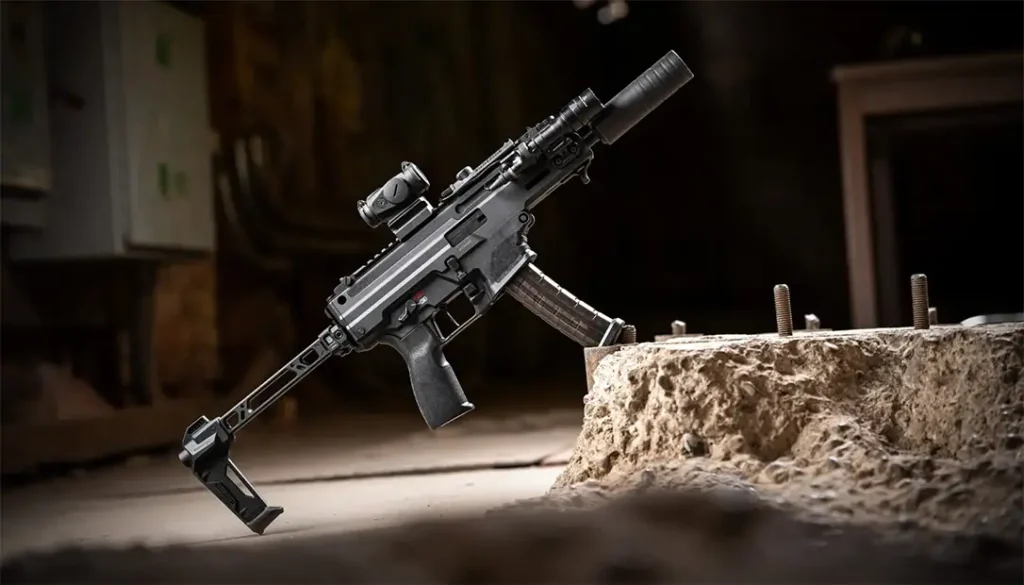
So what, who cares if it’s not good suppressed? Well, one of the big advantages of a PCC is the easy-to-find and reliable-to-cycle subsonic ammunition. They are easy to suppress effectively, and since the NFA cost is zero, they are a prime suppressor host. To me, that matters a lot.
Market Saturation
We can’t ignore that after SIG launched the MPX and CZ launched the Scorpion, the market became utterly saturated by pistol caliber carbines. The rise of AR-9s using Glock magazines was vast and overwhelming. Everyone made one at every price point. PCCs were absolutely everywhere.
Advertisement — Continue Reading Below
The vast majority of them were direct blowback guns. They hit the market, people bought them up, and now, no one cares. Another direct blowback PCC is going to be a tough sell. If you want one, they are easy to get in nearly any style you want.
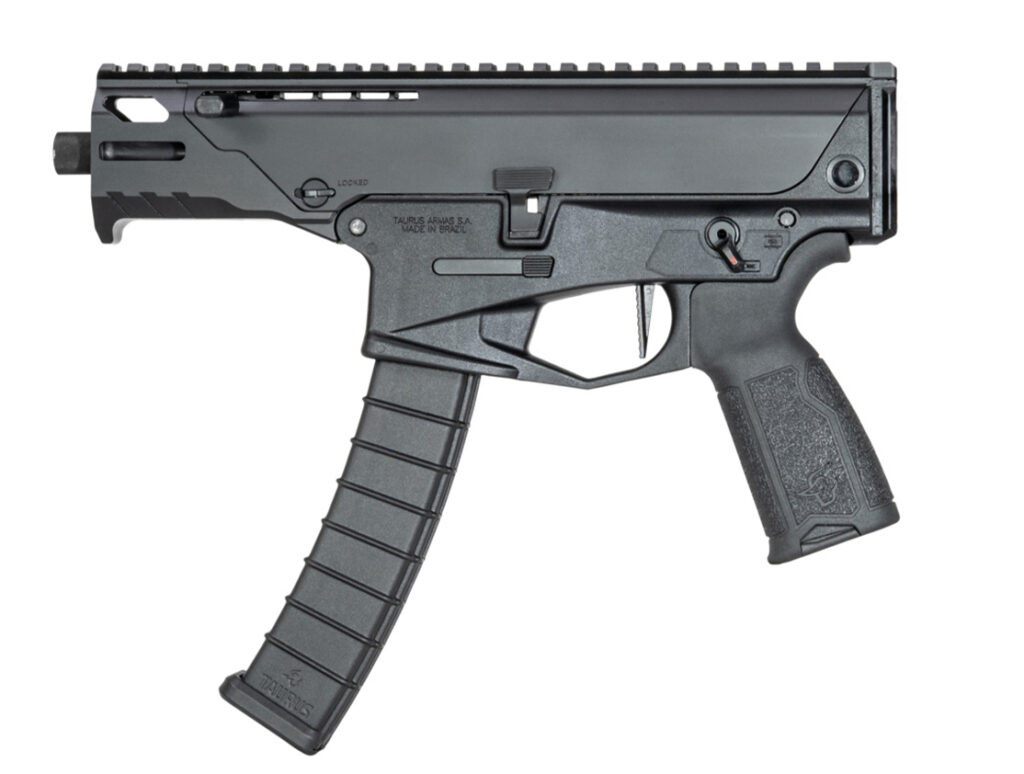
With the market saturated in blowback-operated PCCs, companies are having to get a little creative. Why wouldn’t they look into cheaper methods to produce better guns? All an engineer has to do is examine the PCC market, see the problems with direct blowback guns, and address those problems.
Advertisement — Continue Reading Below
PCCs Got Mature
When PCCs became popular, they were more or less range toys. You could certainly use one for self-defense, but a lot of the appeal was the low price of 9mm. It’s fun to shoot. With the popularity of PCCs we saw PCC divisions in competition shooting rise, champions show up, and well, PCC divisions became popular.
This created a demand for better PCCs, and thus they started improving. The market buying PCCs might primarily be buying them for fun guns, but there is a market of competitors who want something better than direct blowback.
Some folks buy guns based on the experts using them, so that can influence even more sales of a particular gun. Ultimately, PCCs matured, and direct blowback wasn’t nearly as appealing to the alternatives.
The Place For Direct Blowback PCCs
There is still a place for direct blowback PCCs, and that’s the extreme budget market. Guns like the original Extar EP9 and EP45 are great direct blowback guns, arguably due to the weight integrated into their bolt to help reduce direct blowback problems. The Hi-Point carbine is another realm where this system is fine.
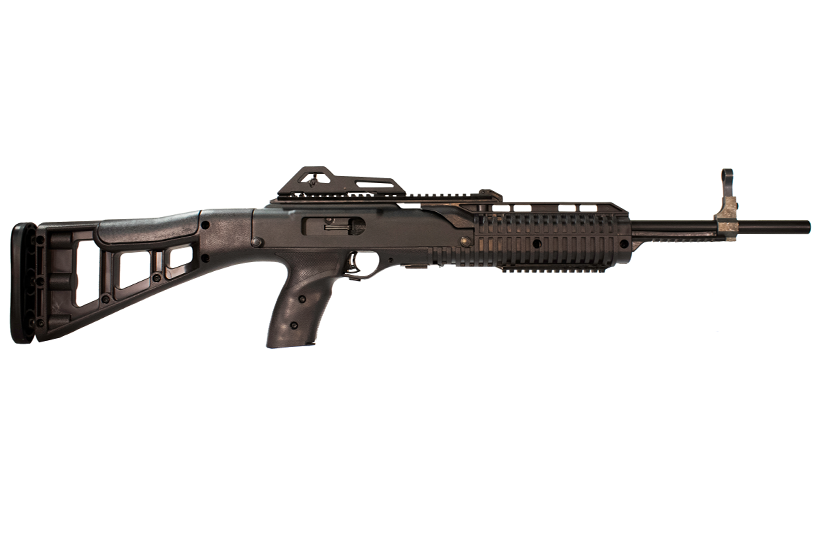
That’s likely where it will stay, in the sub-500-dollar PCC market. Anything more than that and it starts to become a big why when other guns exist that don’t have all the problems with direct blowback.
Read the full article here