

When in the deep outdoors, we tend to look ahead and see all of nature’s wonders in front of us. However, this may not always be a good thing. Dangers can lurk below at ground level, and with every step you may put yourself at risk. Terrain, tiny pests, predatory animals, and more can threaten the safety of your hiking trip. Here’s what to notice, prepare for, and avoid to make your next adventure safe when there’s danger with every step.
Staying Safe On Your Next Hike
Unpredictable Terrain
It’s very easy to incur an injury when traversing outdoor terrain. This is due to uneven surfaces, inclined planes, or slippery material underfoot. Small hills may appear easy to traverse, but one misstep can send you downward. Additionally, wet rocky surfaces, loose pebbles, or fine sand can literally take your feet out from under you, resulting in hip, joint, or worse yet, head injuries.
To decrease the odds of an accident, always walk with a trekking pole or walking stick. These aids will allow you greater stability and give you a solid grip to help with inclines and loose earth. It should go without saying that a pair of hiking boots with gripping treads is an absolute must when traversing all types of environments.
Advertisement — Continue Reading Below
Tiny Trouble-Makers
Though you probably don’t think about ticks ambushing you as you walk, you should. These parasitic organisms will crawl to the highest point of a bush and wait for something to brush against it and then literally hitch a ride. Once on your body, the tick will find a spot and sink its head under your skin and begin to suck your blood.
Advertisement — Continue Reading Below
Though the actual incision isn’t major, what ticks can transmit to your bloodstream is. Viruses, bacteria, and parasites can make you sick or even hospitalized. Lyme disease, Rocky Mountain Spotted Fever, and Babesiosis are just a few of what can be transmitted from the tiny tick into your bloodstream.

Advertisement — Continue Reading Below
Lurking Predators
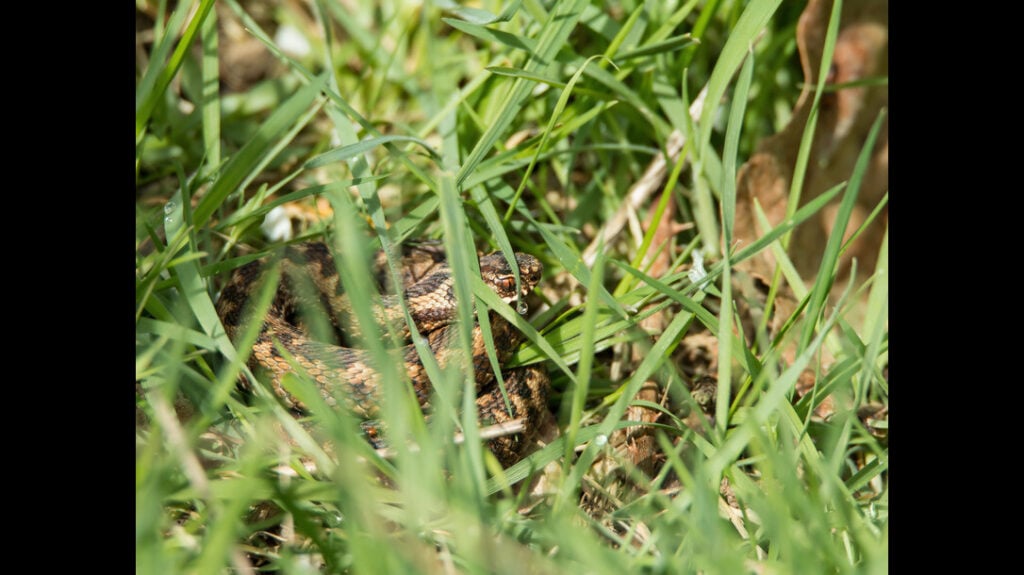
It’s a fair bet you’ll be stepping over small rocks and bushy foliage as you hike. Because of this, you’re susceptible to ground-level predators, such as venomous snakes, scorpions, and even alligators in swampy ecosystems. You’ll never know you’re a target until it’s too late.
Again, walk with a stick or pole to probe the area in front of you to avoid danger before you step. Second, protect your lower legs with gaiters against snake bites, as well as against prickly, thorn-covered bushes. Tie off your pant legs to your body to prevent scorpions from scurrying inside.
As for gators, these predators blend into the surroundings so well you may not notice them until it’s too late. If your path is near a water source and overgrown brush covers the trail, choose another route if possible. If no other options are available, walk slowly and probe all the surrounding foliage with your stick.
Advertisement — Continue Reading Below
Sucked-In and Immobilized
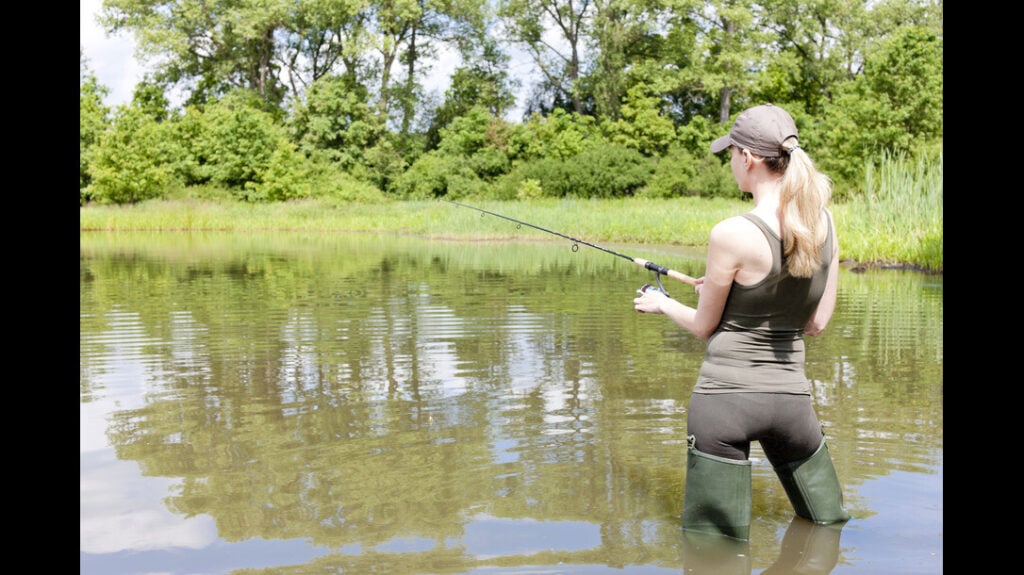
Now this category is a bit different from uneven or loose terrain. Land areas near lakes, swamps, or ponds that feature clay or silt (known as quicksand mud) can literally immobilize you. This is caused by a suction created from water trapped in the sediment.
Advertisement — Continue Reading Below
It’s very difficult to pull your leg(s) out just by lifting them upward, and as you struggle, you can actually slip further down into the mud. If panic sets in and if flooding occurs or excessive rains fall, you could be in serious danger.
To escape this frightening situation, you need to break the vacuum. Don’t fight the earth’s grip but rather shift your legs slowly to let water in and break the suction. Then lie on your back (you won’t go under due to the body’s natural buoyancy) and wiggle your legs to the surface. Then, slowly try to shift and reach solid ground.
Advertisement — Continue Reading Below
Twisted and Tangled Danger
This danger is closely related to terrain, but solely centers around roots, both visible and hidden from view. This is such an important hazard to be aware of because it is found in almost all hiking locations. Twisted above-ground roots are a trip hazard, so looking downward as you walk is a must.
But worse than this is a lattice of twisted roots with large openings covered with fallen leaves. These areas appear solid, but as you step, you can fall into them and twist an ankle and/or injure your leg. These are found primarily in forest or woodlands.
Rotten fallen trees offer similar dangers. You may step up thinking it’s solid, and your foot sinks straight through, making you awkwardly fall, leading to possible injuries.

Looking Ahead and Down
Yes, Mother Nature is unpredictable, and you can’t protect yourself from everything when you step outside. However, with the proper gear and knowledge of the dangers prior to your trek, you can make it through unharmed. Observe all that nature offers, all the while keeping your attention on each and every step you take.
Read the full article here