

NEWYou can now listen to Fox News articles!
Discontinuing the use of GLP-1 weight-loss medications triggers weight regain more than previously thought, a new study suggested.
The research, which was published in The BMJ, found that stopping the drugs is also associated with a reversal of improvements in heart and metabolic health, including cholesterol and blood pressure.
University of Oxford researchers analyzed 37 studies published up to February 2025, involving more than 9,000 participants who had undergone an average of 39 weeks of weight-loss treatment.
OLDER AMERICANS ARE QUITTING GLP-1 WEIGHT LOSS DRUGS FOR 4 KEY REASONS
On average, patients regained about 0.9 pounds per month after stopping treatment. Researchers estimated that body weight and risk markers for diabetes and heart disease would return to pre-treatment levels in less than two years.
The analysis also revealed that the weight came back on nearly four times faster than after changing or quitting a diet or exercise regimen, no matter how many pounds had been shed.
OBESITY EXPERT REVEALS THE BEST WAY TO DECIDE IF GLP-1S ARE RIGHT FOR YOU
“The evidence suggests that despite their success in achieving initial weight loss, these drugs alone may not be sufficient for long-term weight control,” the researchers commented in a press release.
CLICK HERE TO SIGN UP FOR OUR HEALTH NEWSLETTER
The study authors acknowledged that only eight studies assessed treatment with newer GLP-1 drugs, at a maximum follow-up period of 12 months after the medication was stopped. This could serve as a limitation, although three additional methods of analysis provided similar results.

In an editorial responding to the study, Dr. Qi Sun, associate professor of medicine at Brigham and Women’s Hospital and Harvard Medical School, wrote that these findings “cast doubt” on the idea that GLP-1s are a “perfect cure for obesity.”
CLICK HERE FOR MORE HEALTH STORIES
“People taking GLP-1 receptor agonists should be aware of the high discontinuation rate and the consequences of cessation of medications,” he said. “Healthy dietary and lifestyle practices should remain the foundation for obesity treatment and management, with medications such as GLP-1 receptor agonists used as adjuncts.”
“Many of the patients who quit their GLP-1 drugs could have stayed on them with the right personalized care.”
“Such practices not only help prevent excess weight gain, but can also lead to numerous health benefits that go beyond weight control.”
Why patients quit
Recent reports have disclosed that more older Americans are deciding to quit their GLP-1s for a variety of reasons.
Additionally, a 2025 study published in JAMA — which included more than 125,000 overweight or obese people — found that nearly 47% of those with type 2 diabetes and 65% of those without diabetes stopped taking their prescribed GLP-1s within a year of starting them.
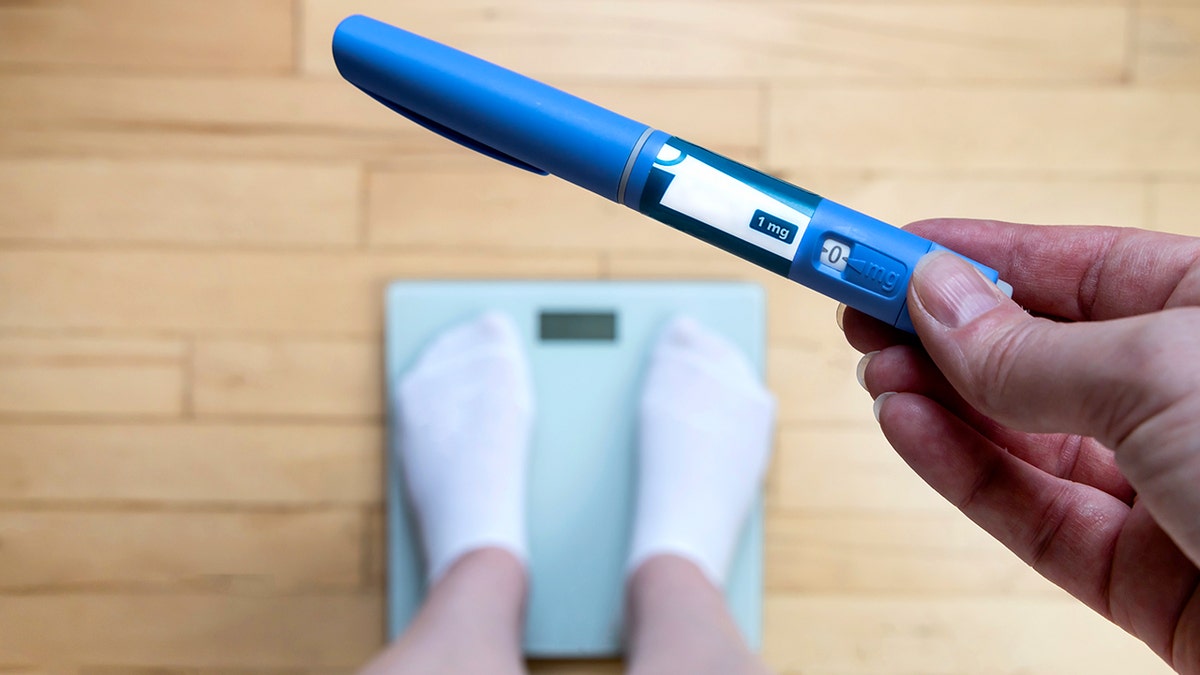
Users and experts have claimed that cost, muscle loss, dehydration and side effects are the most common reasons weight-loss drugs are discontinued.
Side effects often include nausea, vomiting, diarrhea, constipation, bloating, headaches, fatigue and hair thinning, according to experts.
CLICK HERE TO DOWNLOAD THE FOX NEWS APP
In a previous interview with Fox News Digital, Dr. Sue Decotiis, a medical weight-loss doctor in New York City, noted that older patients are especially more sensitive to gastrointestinal side effects.
“Careful monitoring by a physician who is knowledgeable in the area of medical weight loss is imperative,” she said.
TEST YOURSELF WITH OUR LATEST LIFESTYLE QUIZ
“Often, using a customized dosing plan helps the patient avoid undue side effects and helps them burn more fat, which is the mechanism by which GLP drugs work long-term and systemically,” she went on. “For certain patients, a high-quality compounded GLP-1 can achieve tailored dosing.”
“Many of the patients who quit their GLP-1 drugs could have stayed on them with the right personalized care.”
Read the full article here